Cold temperatures don’t just make operatives uncomfortable. They can also reduce dexterity, impact concentration, increase fatigue, and generally make it more difficult to safely complete routine tasks.
In fact, studies have shown that 44% more mistakes are made when temperatures fall below optimal room temperature conditions? This is why choosing the right winter safety gloves is about much more than keeping hands warm. The best winter work gloves and cold weather gloves combine insulation, dexterity, grip, and protection to help workers stay safe and productive throughout the colder months.
Can you afford for your workforce to operate below its full potential this winter?
Why Are Winter Safety Gloves Important?
When working outdoors in winter, standard work gloves may protect against hazards, but they often provide little defence against cold temperatures and wet conditions. This can lead to:
-
Reduced blood circulation in your fingers
-
A loss of grip
-
Reduced dexterity
-
Increased likelihood of removing your gloves
-
Reduced concentration
Together, these factors can increase the likelihood of hand injuries, reduced productivity, and workers removing their gloves to complete tasks.
What do EN511 Ratings Mean?
When digging into the world of winter safety gloves, the most obvious thing to look out for is whether the gloves have been tested to the EN 511:2006 standard. This standard tests three key performance areas:
Convective Cold Resistance (0-4)

This measures how well gloves insulate against cold air. A glove rated 4 for Convective Cold Resistance provides far greater protection against cold air than a glove rated 1. The higher the score, the greater the tested protection against cold conditions.
Contact Cold Resistance (0-4)
The contact cold resistance tests how well gloves protect when touching cold surfaces. A glove rated 4 will provide a much higher level of protection when in contact with cold surfaces than a glove rated 1. The higher the score, the greater the protection against cold surface handling.
Water penetration (0-1)
This aspect of the standard measures whether they remain dry after 30 minutes in water. A score of 1 means that no water penetration was detected, while a score of 0 means water penetrated the glove during the test. Keeping hands dry is essential in cold environments, as wet hands lose heat much faster than dry hands.
If a glove has not been tested to EN511, there is no reliable way to verify its performance in cold conditions. You can find out more about it here.
After checking for this vital standard, you then must consider the following:
Breathability
Although it sounds counterintuitive, breathability is a key factor when purchasing safety gloves for winter. How can a glove keep your hands warm yet keep them cool at the same time? Gloves that aren't breathable will trap heat, sweat and moisture inside. When gloves contain moisture inside, heat loss is far higher. Breathable gloves allow the sweat to escape, preventing the moisture from accumulating, and therefore keeping your hands warmer.
Dexterity
If you thought that dexterity in a winter glove is a myth, think again. It may be difficult to come by, but by investing in a more premium glove option that provides both dexterity and keeps your hands warm, you are much less likely to remove your gloves to undertake a task and thereby increase the risk of a hand injury. After all, 70% of hand injuries happen when gloves have been removed.
Waterproof
A waterproof safety glove is a must throughout winter. Cold, wet hands can result in a reduction of overall body temperature, not to mention make you uncomfortable and miserable. Waterproof safety gloves help keep hands dry when working in rain, snow or damp conditions. Keeping moisture out is crucial because wet hands lose heat significantly faster than dry hands.
Insulation
Not all insulated gloves perform equally. The quality, placement and type of insulation can have a significant impact on warmth, comfort, and dexterity. The best insulated safety gloves retain heat while still allowing workers to perform tasks effectively.
Grip
Winter conditions often bring rain, frost and ice, all of which can affect grip performance. Choosing a glove with a high-grip coating can help improve control when handling tools, materials or equipment in cold and wet environments.
Before purchasing winter safety gloves, ask:
-
Are they certified to EN511?
-
Are they waterproof or water-resistant?
-
Do they provide sufficient grip in wet conditions?
-
Do they offer enough dexterity for your task?
-
Are they breathable to reduce moisture build-up?
-
Do they provide adequate insulation for the task application?
Traffi Winter Glove Range
Our gloves don’t just protect against workplace hazards – they’re built to handle the cold too.
In anticipation of temperatures starting to drop, you need to start thinking about procuring hand protection designed to keep you and your operatives warm and comfortable through the upcoming winter months.
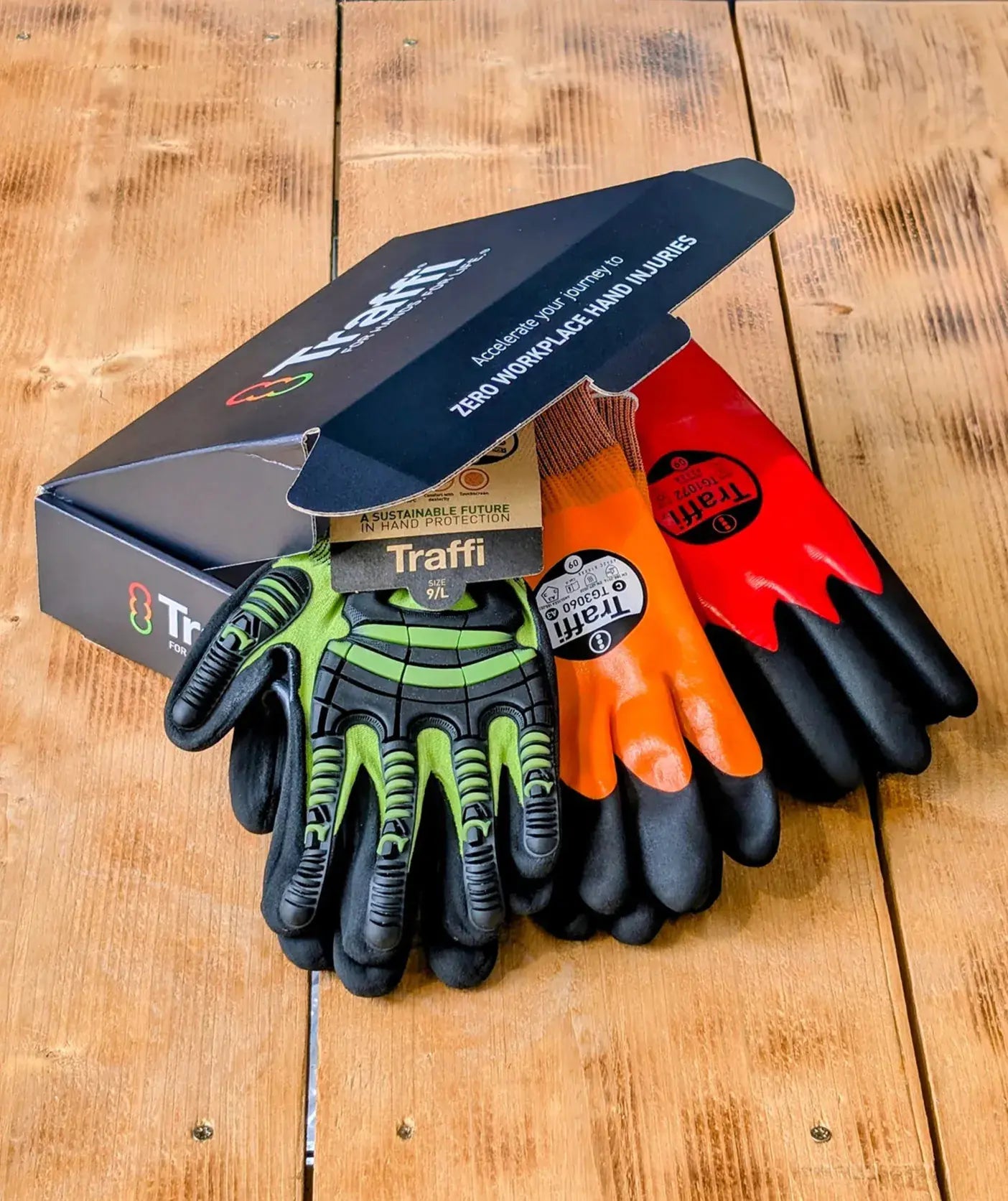
Traffi's winter glove range combines thermal protection, grip, comfort and dexterity to help workers maintain performance without compromising safety.
You can check out our winter glove range here to explore the options available to you.
Not sure which winter safety glove is right for your application or industry? Our team can help you identify the hazards, assess your requirements and recommend the most suitable hand protection solution for your workforce. Contact us today to get started or book your glove audit here.