HEAT-RESISTANT GLOVES FOR HIGH-TEMPERATURE ENVIRONMENTS
Working with heat, hot surfaces, or sparks introduces serious risks to hand safety.
Traffi’s range of heat-resistant gloves is designed to help you protect your workforce in high-temperature environments while maintaining grip, durability, and control.
Whether you are selecting gloves for a specific task or reviewing safety across your operations, you can explore thermal work gloves here by application, material, and performance.
EXPLORE HEAT-RESISTANT GLOVES
Explore the available range of heat-resistant gloves below.


UNDERSTANDING THERMAL HAZARDS IN THE WORKPLACE
Thermal hazards are common in environments where workers are exposed to heat, friction, or hot materials. These risks may include contact with hot surfaces, exposure to sparks or molten materials, or heat generated through tools or processes.
Without the right protection, these hazards can lead to burns, discomfort, and reduced productivity.
Heat-resistant gloves help create a barrier between the hand and the source of heat, supporting safer working conditions.

WHERE HEAT-RESISTANT GLOVES ARE USED
Thermal protection is required across a wide range of industries where high temperatures are part of the working environment.
You will typically find thermal work gloves used in:
- Metalwork and fabrication
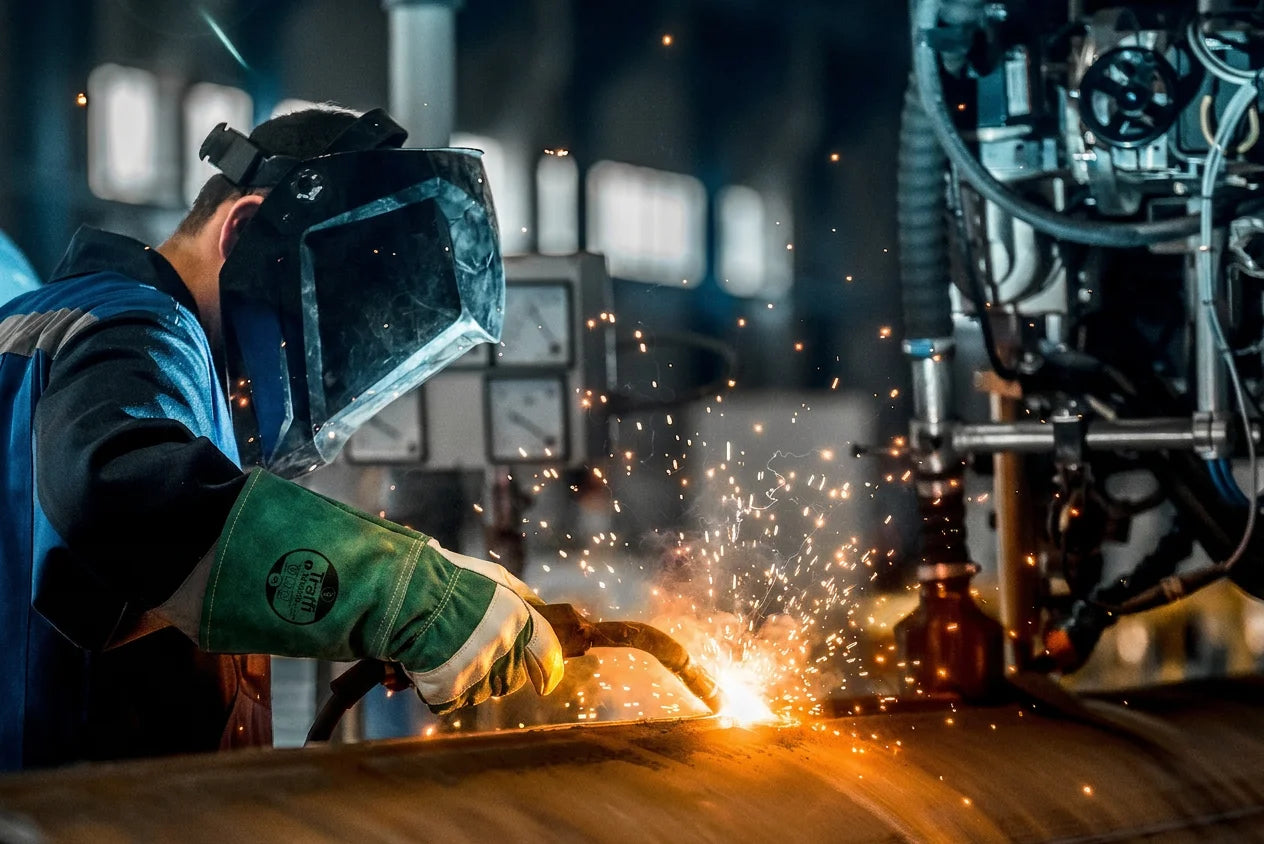
- Welding and hot work
- Engineering and manufacturing
- Utilities and maintenance
Each of these environments presents different types of heat exposure, which is why glove selection should always reflect the specific task and risk involved.
MATCHING GLOVES TO HEAT EXPOSURE
Not all heat risks are the same.
Selecting the right heat-resistant gloves depends on how the exposure occurs. For example:
Contact heat

Handling hot surfaces or components
Sparks and intermittent heat

Welding or grinding applications
Sustained exposure

Working in elevated temperature environments over time
Understanding the type of exposure helps you select gloves that provide the appropriate level of protection without compromising usability.

The range allows you to:
Identify gloves suited to specific applications
Compare materials and performance characteristics
Select appropriate protection for different heat risks
Maintain consistency across teams and environments
This makes it easier to implement the right protection across varied tasks.
SUPPORTING YOUR THERMAL SAFETY STRATEGY
If you are responsible for managing safety in high-temperature environments, glove selection is a key part of reducing risk.
With the right heat-resistant gloves in place, you can:
- Reduce burn-related injuries
- Support safer handling of hot materials
- Improve consistency across teams and align PPE with safety procedures
This supports both day-to-day safety and long-term risk reduction.

HELPING YOU SUPPORT CUSTOMER REQUIREMENTS
When your customers are working in high-temperature environments, the challenge is not just finding a glove; it is making sure it performs in the way they need it to. This page gives you a clearer way to do that. You can move from requirement to recommendation by:
- Starting with the task
Use application and industry context to narrow down suitable gloves - Reviewing thermal performance
Compare how different gloves handle heat exposure, materials, and construction - Validating with technical detail
Access datasheets and specifications to support your recommendation - Testing in practice
Request samples so gloves can be trialled in real working conditions
This allows you to support customers with decisions that are based on how the work is actually carried out, not just product availability.


FIND THE RIGHT HEAT-RESISTANT GLOVES FOR YOUR APPLICATION
Selecting the right heat-resistant gloves comes down to understanding the type of exposure, the task, and the working environment.
By matching gloves to real conditions and testing them in practice, you can improve protection and ensure consistent performance across your teams.
Take the next step by exploring the range or requesting samples for evaluation.
FREQUENTLY ASKED QUESTIONS
Prefer to talk?
If you would rather discuss things directly, you can speak with our team.
Heat-resistant gloves are designed to protect your hands when working with hot surfaces, elevated temperatures, or processes that generate heat. They help reduce the risk of burns by creating a barrier between the hand and the heat source. These gloves are commonly used in environments such as metalwork, welding, manufacturing, and maintenance where thermal hazards are present.
Heat-resistant gloves are not all rated to the same temperature. The level of protection depends on the materials used and how the glove is constructed. Some gloves are designed for brief contact with hot surfaces, while others are suitable for higher temperatures or more sustained exposure. It is important to match the glove to the specific task and type of heat exposure rather than relying on a single temperature figure.
Heat-resistant gloves are designed to reduce exposure to heat, but they are not completely heat proof. Over time, heat can still transfer through the material, especially with prolonged contact or higher temperatures. This is why selecting the correct glove for the task and understanding exposure time is essential for effective protection.
Thermal work gloves should be used whenever there is a risk of contact with hot surfaces, sparks, or elevated temperatures. This includes tasks such as handling heated materials, welding, working with machinery that generates heat, or operating in high-temperature environments. The key is identifying when heat is part of the task and selecting protection accordingly.
Heat-resistant gloves can protect against different types of thermal exposure, depending on their design. This may include contact heat from hot surfaces, intermittent exposure to sparks, or working in environments with elevated temperatures. Understanding the type of heat exposure involved helps ensure the glove provides the appropriate level of protection.
Choosing the right gloves starts with understanding the task and the type of heat involved. You should consider how the heat is applied, how long contact lasts, and what level of dexterity is required. From there, you can compare gloves based on materials, construction, and performance. Testing gloves in real working conditions is often the best way to confirm suitability.
Heat-resistant gloves are made from materials designed to withstand elevated temperatures while maintaining flexibility and durability. Different materials offer different levels of heat resistance, grip, and comfort. This is why material choice plays an important role in selecting gloves that are suitable for specific applications and environments.
Some heat-resistant gloves are suitable for welding and hot work, particularly where there is exposure to sparks or intermittent heat. However, not all gloves are designed for this type of application. It is important to select gloves specifically suited to welding or high-temperature tasks to ensure the correct level of protection.
Heat-resistant gloves are designed to balance protection with usability, but the level of dexterity can vary depending on the material and level of protection. Higher levels of heat resistance may reduce flexibility, which is why it is important to select gloves that suit both the task and the working conditions.
Yes. When selected and used correctly, heat-resistant gloves can help reduce burn-related injuries and support safer handling of hot materials. Their effectiveness depends on matching the glove to the task and ensuring they are worn consistently. Gloves that are practical and comfortable are more likely to be used correctly across teams.
If you need more guidance on selecting gloves based on task and risk, you can refer to Traffi’s ultimate guide to safety gloves, which provides a broader overview of glove types, materials, and performance considerations to support informed decision-making.