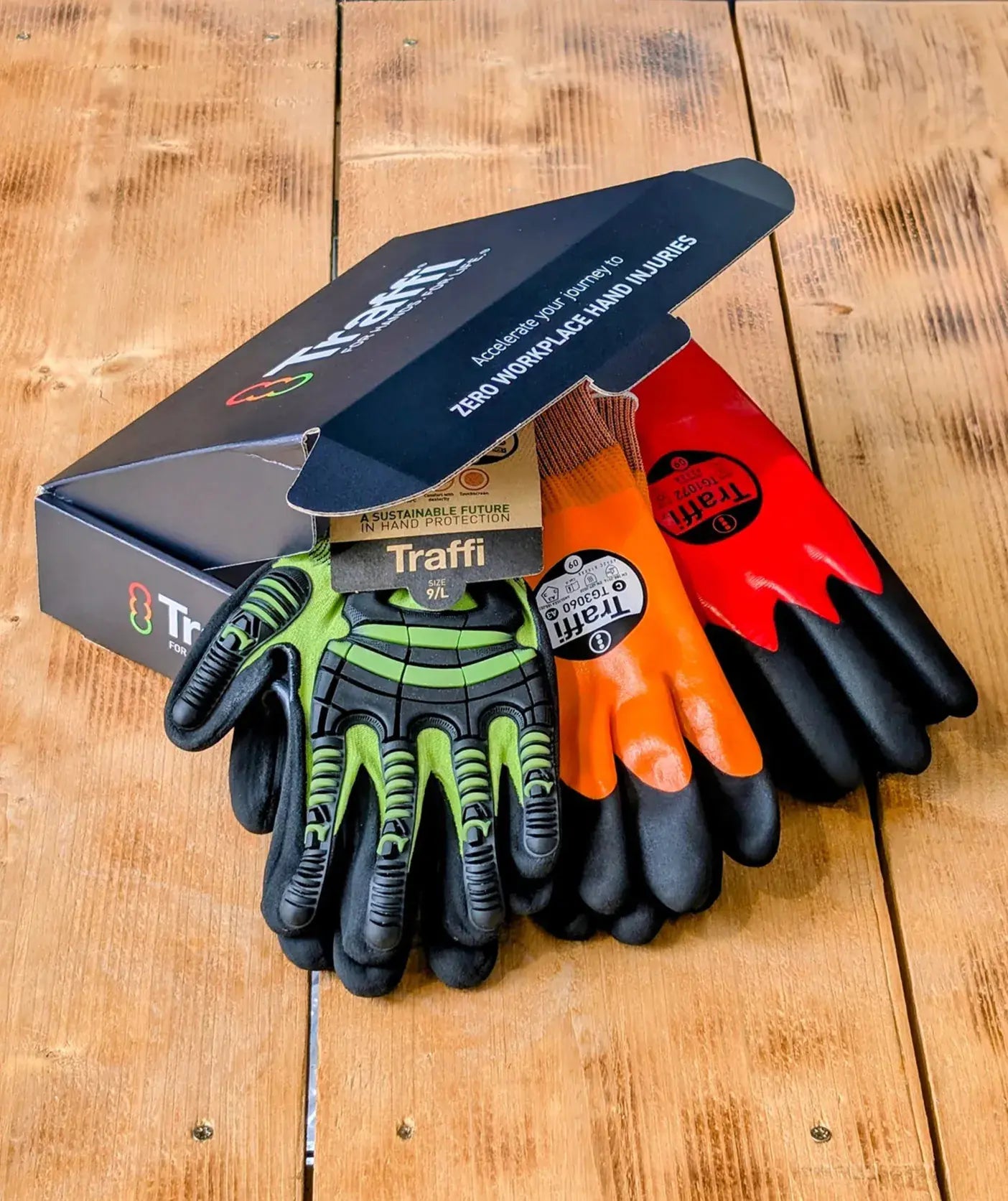
NITRILE WORK GLOVES FOR HYGIENE AND CONTAMINATION CONTROL
When hygiene, contamination control, or single-use protection is essential, choosing the right glove should be simple.
Traffi's range of nitrile work gloves and disposable work gloves helps protect workers, maintain hygiene standards, and support light-duty tasks across a wide range of industries.
Whether you're selecting gloves for food handling, cleaning, logistics, facilities management, or healthcare-related tasks, explore the range to find the right protection for your application.
WHERE DISPOSABLE WORK GLOVES ARE USED
Disposable work gloves are widely used where hygiene, contamination control, or frequent glove changes are part of the job. You will typically see them used in environments such as:
- Food handling and food processing
- Cleaning and hygiene tasks
- Logistics and handling
- Facilities management
- Healthcare and laboratory settings
The common thread is not heavy mechanical risk. It is the need for clean, consistent hand protection that supports the task without slowing it down.

WHEN DISPOSABLE GLOVES ARE THE RIGHT CHOICE
Not every task needs single-use gloves, but in the right environment, they are essential. Disposable gloves are most appropriate where you need to manage:

Hygiene-sensitive tasks: Where contamination control is critical

Frequent glove changes: Where gloves need to be replaced regularly between jobs or users

Short-duration, light-duty handling: Where flexibility, fit, and ease of use matter

Protection from germs, liquids, or light contamination risks: Where the glove acts as a clean barrier between the hand and the task
This helps you choose disposable protection based on the requirement, not just habit.
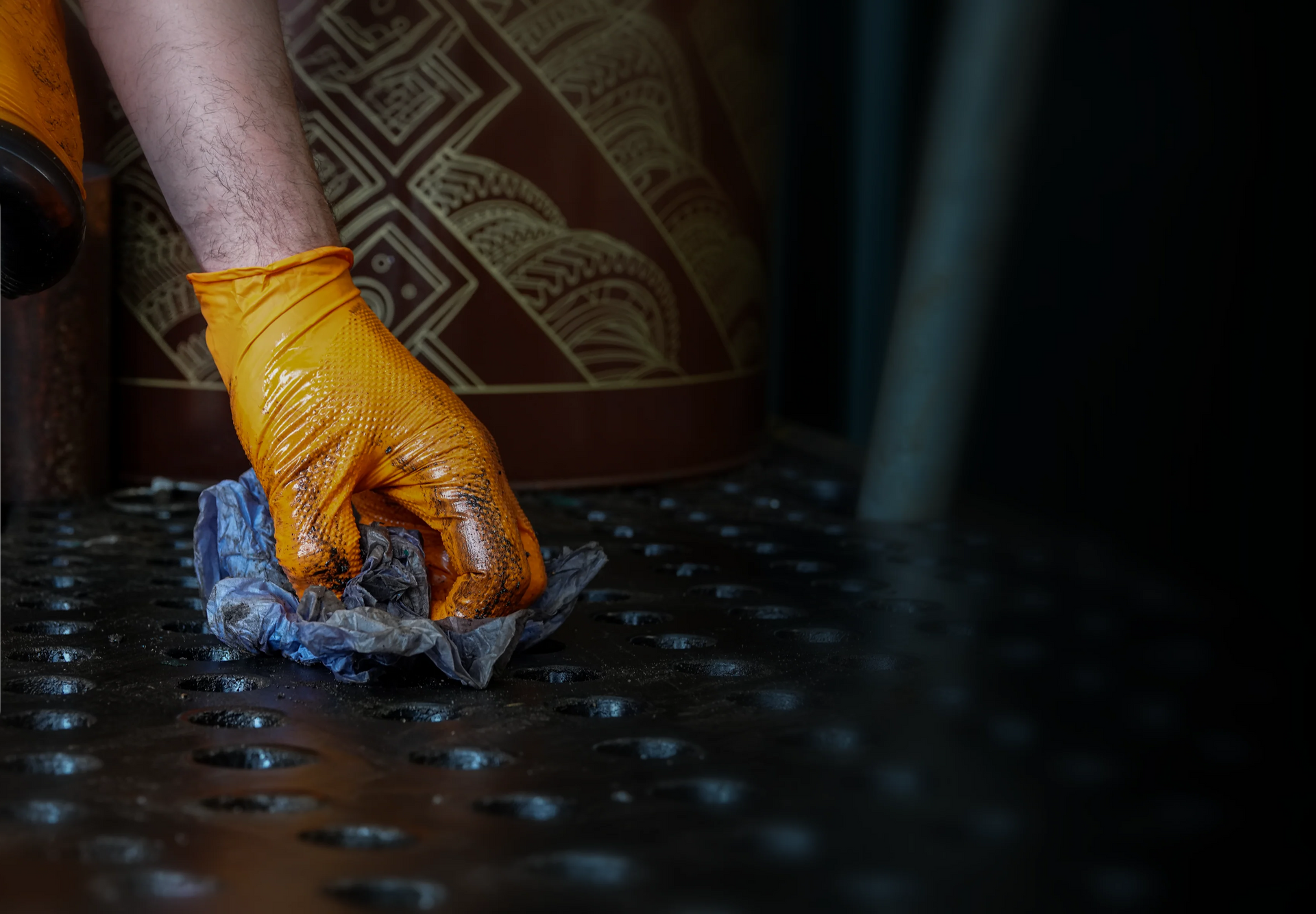
A PRACTICAL APPROACH TO NITRILE WORK GLOVES
Nitrile work gloves are a popular choice because they combine comfort, grip, flexibility, and barrier protection in a format suited to repeated day-to-day use.
For many organisations, they provide a reliable option for tasks where you need:
- Good dexterity
- Close fit
- Textured grip
- Latex-free protection
- Consistent performance across repeated use
Traffi’s disposable range includes nitrile options developed for practical working environments, with product-level differences in stretch, biodegradability, fit, and application. The Facilities Management brochure also highlights disposable nitrile options such as TD01 and TD04 within real task-based recommendations.

The right disposable work gloves can help you:
Reduce cross-contamination risk
Support hygiene procedures across teams
Protect users during repeated light-duty tasks
Align glove selection to workplace requirements
This matters particularly in workplaces where gloves are changed often, tasks vary throughout the day, and consistency is important.
DISPOSABLE DOES NOT MEAN ONE-SIZE-FITS-ALL
Different disposable gloves are designed for different priorities. Some are selected for comfort and stretch. Others for grip, biodegradability, food approval, or suitability for virus and contamination-related environments.
That is why product comparison matters. This page should help you quickly assess differences such as:
- Material
- Thickness or weight
- Grip and texture
- Certification and standards
- Intended application
So instead of treating all disposable gloves as interchangeable, you can choose the right glove for the actual task.


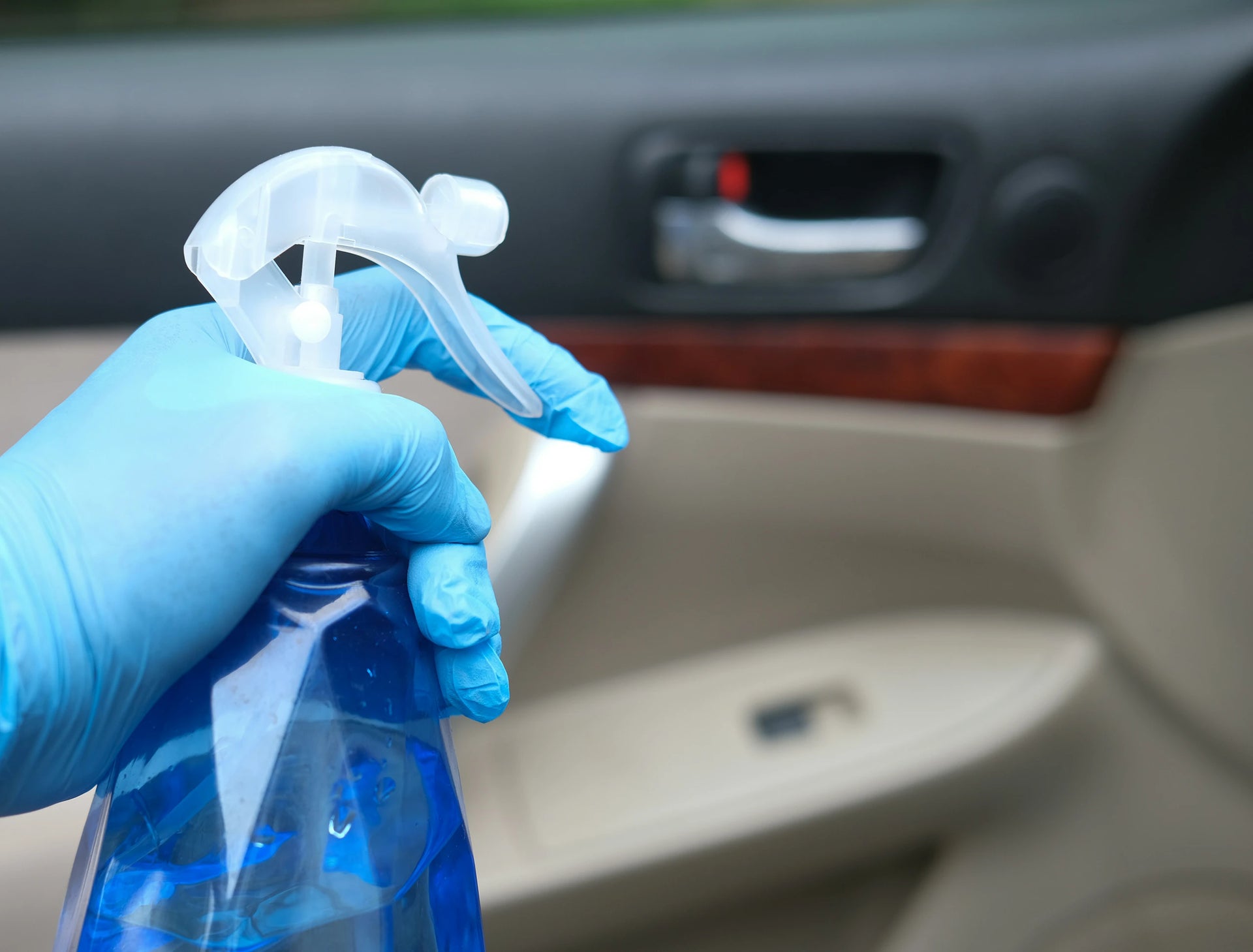
WHAT FACILITIES MANAGEMENT
TEAMS TELL US
In facilities management, glove selection often needs to cover a wide mix of tasks, from cleaning and maintenance to plumbing, electrical work, and general hygiene-sensitive jobs.
Traffi’s Facilities Management guide highlights a few consistent themes: increased use of touchscreen devices, unnecessary overuse of disposable gloves in some settings, and growing demand for more sustainable hand protection choices. It also shows task-based recommendations across cleaning, security, catering and vending, ground maintenance, building maintenance, plumbing, and electrical work.
That matters here because it reinforces a simple point: glove selection works best when it follows the task.
A RANGE BUILT FOR FAST SELECTION
This page should make it easy for you to move from requirement to product.
You should be able to refine the range by:
- Material
- Thickness
- Application
- Certification
- Intended use
That supports faster decision-making for both technical buyers and distributors, especially where gloves need to be reviewed, compared, and approved quickly.

SUPPORTING YOUR HYGIENE PROTECTION STRATEGY
If you are responsible for selecting disposable gloves across teams or sites, consistency matters just as much as product choice.
A more structured approach helps you:
- Standardise glove selection by task
- Support hygiene and contamination control procedures
- Improve confidence in product suitability
- Reduce unnecessary variation across teams
Traffi’s wider support offer, including samples, trials, and glove audits, can help you test suitability in practice rather than relying on assumptions alone. The Facilities Management brochure also highlights support such as glove audits, trials, product training, toolbox talks, free samples, glove posters, and bespoke collateral.

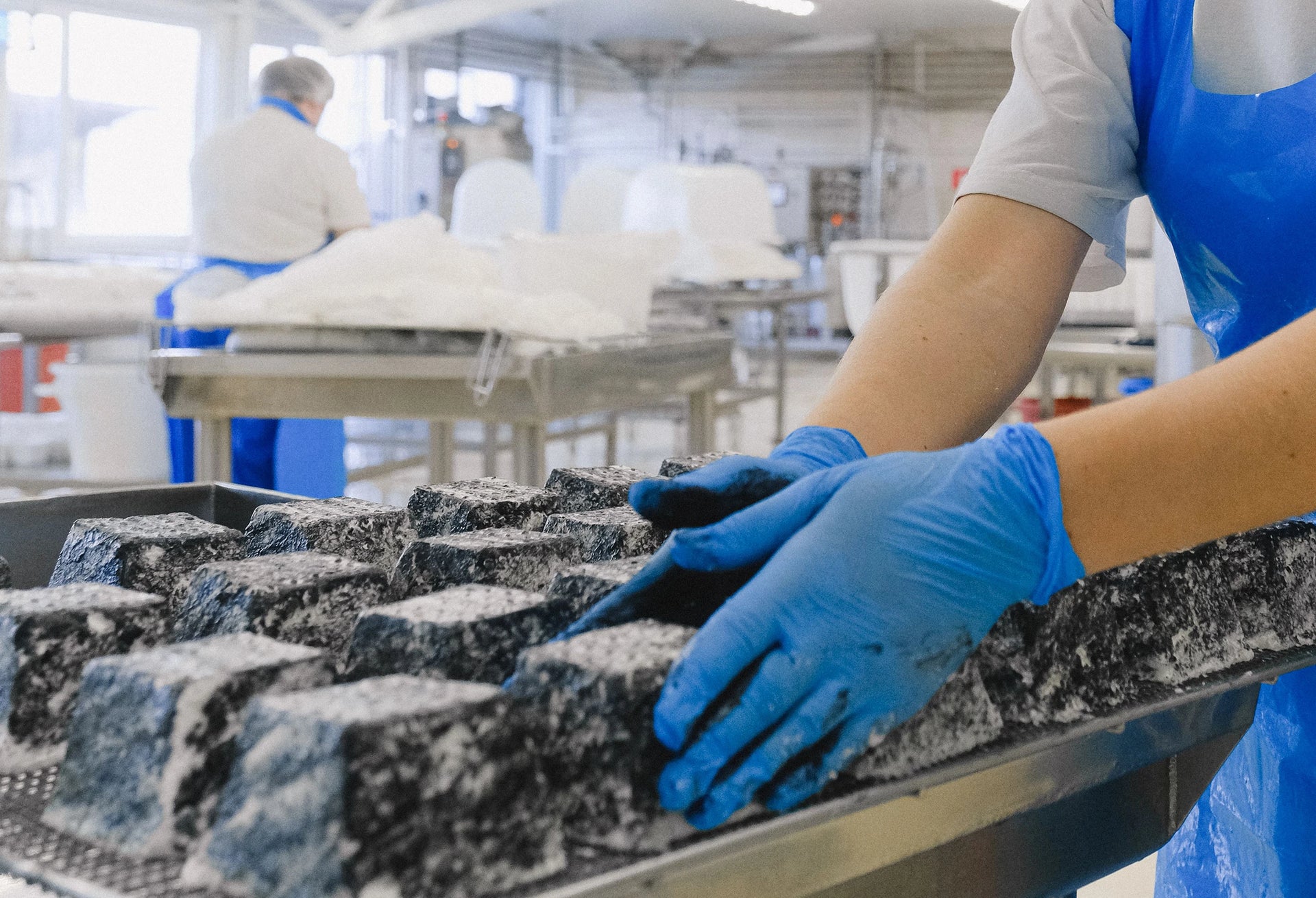
HELPING YOU SUPPORT CUSTOMER REQUIREMENTS
When your customers need disposable protection, speed matters, but so does clarity. From this page, you should be able to move quickly from need to recommendation by reviewing:
- Application fit: Which gloves suit food handling, cleaning, facilities management, logistics, or healthcare-related tasks
- Product characteristics: Material, grip, stretch, fit, and certification
- Technical detail: Datasheets and supporting documentation for specification review
- Trial options: Samples that allow customers to test gloves in their own environment
That gives you a more practical way to support customer decisions without reducing the conversation to price alone.
PROVEN IN PRACTICAL WORKING ENVIRONMENTS
See Case Studies
Atlas Copco is a Swedish multinational founded in 1873, manufacturing compressors, vacuum equipment, assembly tools and power systems for customers in around 180 countries. Their UK operations span six manufacturing plants and 15 sales companies.


FIND THE RIGHT DISPOSABLE GLOVES FOR YOUR APPLICATION
Selecting the right disposable glove comes down to understanding the task, the hygiene requirement, and the type of protection needed.
By matching gloves to real working conditions and reviewing the right technical information, you can improve hygiene, support consistency, and choose products with more confidence.
Take the next step by exploring the range or requesting samples for evaluation.
FREQUENTLY ASKED QUESTIONS
Prefer to talk?
If you would rather discuss things directly, you can speak with our team.
Nitrile work gloves are disposable gloves made from synthetic rubber, designed to provide a protective barrier against contaminants, liquids, and light hazards. They are commonly used in environments where hygiene, cleanliness, and repeated glove changes are important, such as food handling, cleaning, facilities management, and healthcare-related tasks.
Disposable work gloves are used in tasks where hygiene, contamination control, or short-duration protection is required. This includes applications such as food preparation, cleaning, maintenance, logistics handling, and laboratory work. They are designed for single use or short-term wear, helping reduce cross-contamination and support consistent hygiene practices.
Nitrile gloves are widely used because they offer a balance of flexibility, durability, and barrier protection. They are also latex-free, which makes them suitable for environments where latex sensitivity is a concern. In many workplaces, they provide a reliable option for tasks that require dexterity, grip, and consistent performance across repeated use.
Disposable gloves should be used when there is a need to maintain hygiene or prevent contamination between tasks, users, or environments. This is common in cleaning, food handling, and facilities management roles where gloves are changed frequently. They are most effective when used for the right tasks, rather than as a default for all work.
No. Disposable gloves are designed for light-duty tasks and hygiene-focused applications. They are not suitable for heavy-duty work involving sharp materials, high abrasion, or impact risks. Selecting gloves based on the task is important to ensure the correct level of protection and usability.
Nitrile gloves are made from synthetic rubber, while latex gloves are made from natural rubber. Nitrile is commonly used as a latex-free alternative, offering good durability and chemical resistance without the risk of latex allergies. This makes nitrile a widely preferred option in many modern workplaces.
Choosing the right disposable gloves starts with understanding the task. You should consider what the glove needs to protect against, how long it will be worn, and whether hygiene or contamination control is required. From there, you can compare gloves based on material, fit, grip, and intended application, and test them in real working conditions.
Yes. When used correctly and changed regularly, disposable gloves can help reduce the risk of cross-contamination between tasks, surfaces, and users. They are particularly important in environments where hygiene standards must be maintained, such as food handling and cleaning operations.
No. Disposable gloves vary in material, thickness, fit, and performance. Some are designed for comfort and flexibility, while others prioritise durability or specific applications such as food handling or contamination control. Treating all disposable gloves as interchangeable can lead to poor selection and reduced effectiveness.
Yes. Selecting gloves based on the task can help reduce unnecessary use of disposable gloves in some environments. The Facilities Management guide highlights that, in certain cases, reviewing glove selection and introducing more appropriate alternatives can reduce overuse while maintaining hygiene and safety standards.
Disposable gloves are designed to provide a close fit and good dexterity, but performance can vary depending on the material and design. A well-fitting nitrile glove can support precise handling and reduce hand fatigue, which is important in tasks that require repeated or detailed work.
If you need more detailed guidance, Traffi’s Facilities Management brochure provides practical examples of how gloves are selected across tasks such as cleaning, maintenance, catering, and general facilities work. It highlights how matching gloves to the task can improve both hygiene and efficiency.